Laura had spent years trying not to let her husband’s dismissive comments about her bakery get under her skin. But after he humiliated her in front of his family, someone unexpected walked through her door the very next morning – and suddenly, Hudson’s words felt a lot less harmless.
Hudson called my bakery a hobby while I was sitting three feet away from him.
We were at his mother’s birthday dinner, squeezed around a long table with his parents, his brother, and two other relatives when his brother asked how business was going.
Before I could answer, Hudson laughed.
“Still keeping her busy.”
I turned toward him.
“Keeping me busy?”
He lifted one shoulder. “It’s a hobby, Laura. A successful hobby, but let’s not pretend you’re running a corporation.”
A couple of people laughed.
I didn’t.
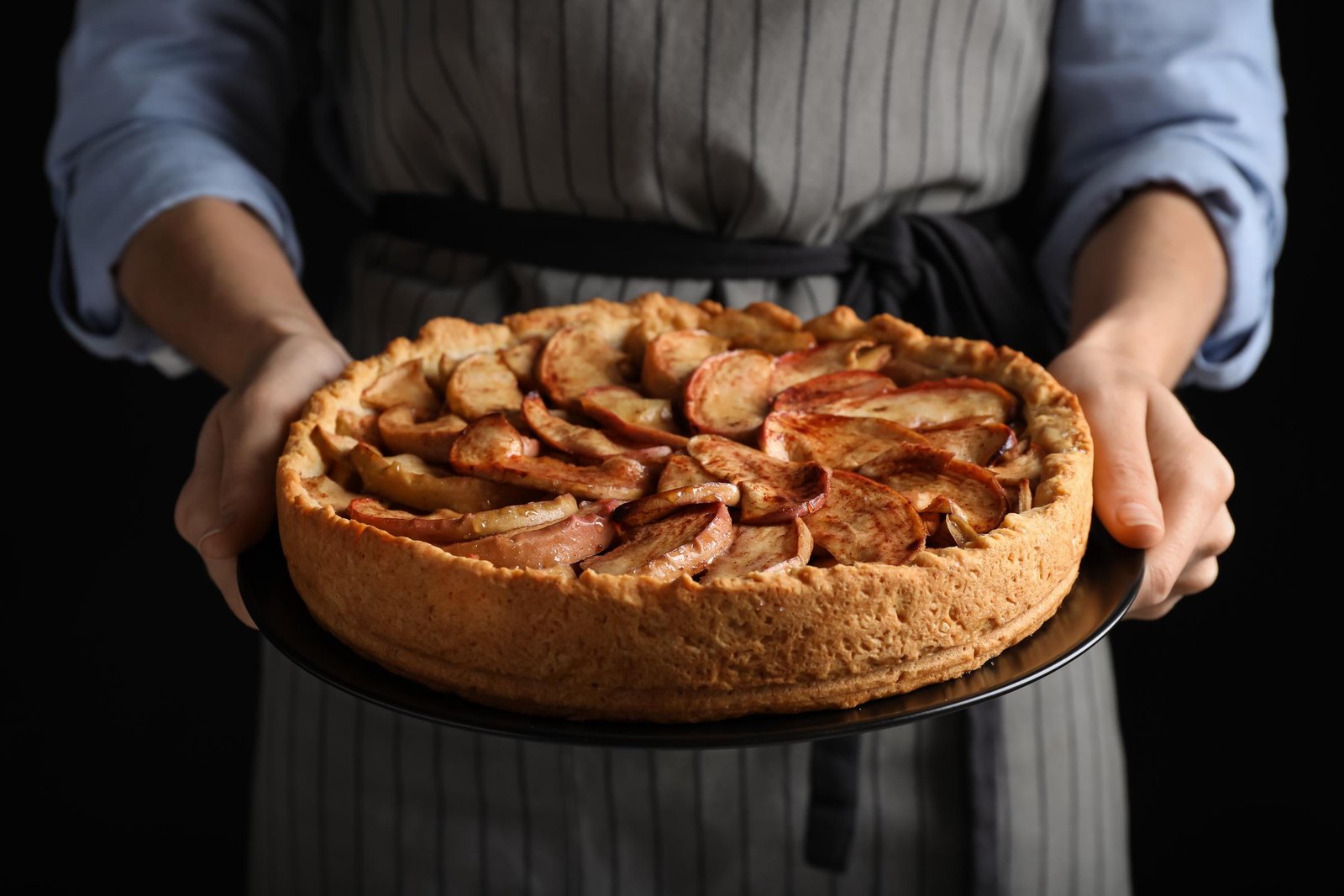
Three years earlier, I had opened the bakery after nearly a decade of baking from our kitchen.
It wasn’t huge.
Six tables, one display case, and a kitchen that became crowded if two people turned around at the same time.
But it paid its bills.
It paid me.
And I had built every part of it myself.
Hudson knew that.
Still, he smiled like he’d made an innocent joke.
His brother shrugged. “If people are buying, that’s business.”
“Sure,” Hudson replied. “Small business.”
He said the words as if they belonged in quotation marks.
Then he leaned back and added, “Anyway, she’ll thank me next year when I finally get her some actual cash flow.”
I looked at him.
“What does that mean?”
“Nothing you need to worry about yet.”
“Hudson.”
He smiled. “Just trust me.”
That irritated me more than the hobby comment.
On the drive home, I asked again.
He sighed. “Laura, not everything needs to become a conversation.”
“You told your family my business isn’t real and then said you’re going to give me cash flow. I think that qualifies.”
“I said it’s successful.”
“You called it a hobby.”
“Because compared to what I do, it is.”
Hudson worked in corporate operations.
He liked budgets, projections, meetings, and anything that came with a title.
I had heard his opinions on small businesses hundreds of times.
Too much work.
Too much risk.
Not enough money.
People romanticized owning something, he said, when most owners were just buying themselves a job.
I stopped arguing.
The next morning, I arrived at the bakery before sunrise and threw myself into work.
By 8:30 a.m., the display case was full, bread was cooling in the back, and I was piping frosting onto cupcakes when the bell above the front door rang.
“One second,” I called.
I wiped my hands and stepped out front.
The man standing near the counter looked familiar.
Gray suit. Silver at his temples. Calm, observant expression.
I knew him from Hudson’s company Christmas party.
“Laura?”
“Yes?”
“I’m Grant. Hudson works for me.”
My stomach tightened.
“Of course. I remember you. Hi!”
He glanced around the bakery.
“I was hoping we could speak privately.”
We weren’t technically open for another 15 minutes, so I gestured toward a table.
Grant didn’t sit.
Instead, he placed a folder on the counter.
“I’d like to discuss a standing order.”
That wasn’t what I’d expected.
“What kind of order?”
“Two hundred pastries every Monday morning for six months to start.”
I blinked.
“Two hundred?”
“If that volume is workable for you.”
I opened the folder.
There were proposed quantities, delivery times, and a preliminary figure that made me read it twice.
“We’ve been trying to improve what we offer employees in the office pantry,” he explained. “Your pastries have been very popular.”
I looked up.
“My pastries?”
“We’ve been buying them for months.”
I couldn’t help smiling.
“Then why haven’t I met you before?”
“I haven’t been the one coming in.”
I thought immediately of Hudson.
Despite everything he’d said the night before, a ridiculous little spark of hope appeared.
Maybe this was what he’d meant.
Maybe he’d recommended me.
Maybe he’d been obnoxious about it, but perhaps he’d actually been doing something kind.
“Did Hudson arrange this?”
Grant’s expression changed.
“No.”
The hope disappeared.
“Then how did you find me?”
He paused.
“That requires a longer explanation.”
The bell over the door rang.
I glanced over automatically.
Maya walked in.
She had been coming to the bakery almost every week for months, usually in the morning.
She always bought more than one person could reasonably eat, and eventually I’d started teasing her about feeding an army.
Over time, we’d become friendly.
I knew she worked in an office downtown.
I did not know which office.
Maya stopped when she saw Grant.
Then she looked at me.
I stared between them.
“So it was you,” I said slowly. “You’re Grant’s assistant.”
Maya gave me a sheepish smile.
“Guilty.”
I laughed before I could help it.
“You could’ve told me.”
“Grant asked me to try the bakery because Hudson kept talking about it. After that, I kept coming because I wanted to.”
Grant nodded toward the display case.
“She brought a box to the office. I tried one. Then everyone started asking where they came from.”
Something warm spread through me.
For months, I had wondered about Maya’s enormous weekly orders.
My work had been sitting in executive meetings without me ever knowing.
“So why was Hudson talking about my bakery?” I asked.
Grant and Maya exchanged a glance.
“Your husband has mentioned having a side business several times,” Grant said.
I frowned.
“What side business?”
Grant looked around the room.
“This bakery.”
For a second, I thought I’d misunderstood him.
“Hudson doesn’t own this bakery.”
“I know.”
“No, I mean he has nothing to do with it. It’s mine.”
“I know that too.”
“Then why would you say—”
“Because Hudson says he owns it.”
The bakery suddenly felt very quiet.
Grant explained that Hudson had told people at work he had a small business on the side and that his wife managed the daily operation while he focused on his corporate career.
I stared at him.
“He’s actually said that?”
“More than once.”
Maya looked uncomfortable.
Grant continued. “What made me curious was that Hudson also has very strong opinions about small businesses.”
I almost laughed.
“That sounds like him.”
“He regularly says they rarely generate meaningful income. So I wondered why he was supposedly running one.”
That was why he had sent Maya.
Not because he suspected some elaborate scheme.
He had simply been curious.
And the pastries had done the rest.
I looked at the large order again.
“So this has nothing to do with Hudson?”
“The order doesn’t.”
I heard the distinction.
“The order doesn’t?”
Grant tapped the folder.
“If the first six months work for both of us, we’d like to discuss expanding into additional weekly pantry deliveries.”
My heart jumped.
Then his expression grew serious.
“But there’s another reason I came personally.”
He took out his phone.
On the screen was part of next year’s departmental budget proposal.
I recognized my bakery’s name.
Beside it was a number so large that at first I assumed I was reading it wrong.
“What is that?”
“A proposed annual pantry and meeting-catering expense.”
I frowned.
“Hudson doesn’t buy anything here.”
“I know.”
“He’s never ordered from me. Not once.”
“This isn’t a past expense. It’s a proposal for next year.”
Grant showed me the accompanying notes.
Hudson had identified my bakery as the production source, but positioned himself as the person supplying and managing the account.
Under his proposal, he would handle the company relationship and billing, then pay the bakery for production.
In other words, he had placed himself between my business and his employer.
Then I saw the service breakdown.
The quantities were clear.
So were the supposed delivery, staffing, administrative, and supply costs Hudson had added.
The total was absurd.
Even with extra labor, packaging, delivery, and a healthy commercial margin, I wouldn’t charge anything close to it.
My mind went back to dinner.
You’ll thank me next year when I finally get you some actual cash flow.
I looked at Grant.
“Does Hudson know you’ve questioned this?”
“He knows the proposal came to me for review. He doesn’t know I’ve questioned this particular line item.”
“Does he know you’re here?”
“No.”
I stared at the figures.
I didn’t want Grant to tell me what he thought Hudson was planning.
I wanted Hudson to tell me himself.
“Don’t say anything to him yet.”
Grant studied me.
“Alright.”
“I need one thing first.”
“What?”
“A copy of the quantities and service breakdown.”
He handed me the relevant pages.
I folded them and put them beneath the counter.
Then I looked toward the kitchen.
“I have some math to do.”
I spent the afternoon calculating.
Not guessing.
Calculating.
Ingredients. Labor. Packaging. Delivery. Additional staffing. Waste allowance. Commercial margin.
I accounted for every service Hudson had listed.
Then I padded my own figures.
His proposed budget was still almost ten times what I would reasonably charge for the same work.
For a while, I tried to find an explanation that didn’t make my husband look terrible.
Maybe he’d misunderstood pricing.
Maybe he’d assumed costs I hadn’t considered.
Maybe there was something buried in the proposal I hadn’t understood.
There wasn’t.
At 6:20 p.m., I closed the bakery and drove home.
Hudson was in the kitchen when I walked in.
“Long day?” he asked.
“Interesting day.”
He barely looked up from his phone.
I set my bag down.
Then I said, “What did you mean last night?”
“About what?”
“Getting me actual cash flow.”
That got his attention.
A small smile appeared.
“I told you. I’m working on something.”
“What?”
He leaned against the counter.
“Our office is looking at expanding pantry service next year. Regular pastries, meeting food, that kind of thing.”
I waited.
“I think I can get them to use your bakery.”
“My bakery?”
He chuckled. “Yes, Laura. Your bakery.”
“And you’ve been arranging this?”
“I’m trying to.”
He sounded pleased with himself.
“This could finally be a real account for you. Consistent volume. Guaranteed money. Not just people wandering in and buying cupcakes.”
I ignored that.
“How much?”
“What?”
“How much would I get?”
Hudson gave me a number.
It was good money.
If I hadn’t seen Grant that morning, I would have been stunned.
I might even have hugged him.
Instead, I asked, “That’s what the company would pay?”
He hesitated.
“That’s what you’d get.”
Not what the company would pay.
What I’d get.
I felt something inside me settle.
Until then, a small part of me had still hoped I was misunderstanding.
Now I wasn’t.
“I ran some numbers today.”
Hudson’s expression changed slightly.
“What numbers?”
“For a large corporate pastry account.”
“Why?”
I took my notebook from my bag and opened it.
“I wanted to know what I’d charge.”
He glanced at the page.
“Laura, corporate pricing isn’t the same as selling muffins across a counter.”
“I know.”
“You’d have extra overhead.”
“I included it.”
“Delivery.”
“Included.”
“Staff.”
“Included.”
He gave an impatient sigh.
“This is exactly why I said I’d handle the business side.”
I looked at him.
“The business side of my business?”
“You know what I mean.”
“No. Explain it.”
Hudson’s jaw tightened.
“I’m bringing you an opportunity you never would’ve gotten on your own.”
That was almost funny.
“How much did you ask them for?”
He went still.
I repeated the question.
“How much did you put in the budget?”
“Where is this coming from?”
“Answer me.”
“I don’t know the exact number off the top of my head.”
I slid my notebook across the counter.
“I do.”
He didn’t touch it.
Then I said the amount Grant had shown me.
Hudson’s face changed.
It was tiny, but unmistakable.
“Where did you get that?”
“Grant.”
Silence.
He stared at me.
“Grant came to the bakery this morning.”
Hudson straightened.
“Why?”
“He wanted to talk about pastries.”
“Laura—”
“Two hundred every Monday for six months. Maybe more afterward.”
His eyes narrowed.
“What?”
“They’ve been eating my pastries for months.”
He looked genuinely confused.
I almost enjoyed that part.
“Maya buys them.”
“Maya?”
“Grant’s assistant. She’s one of my regulars.”
Hudson stared at me as if the pieces refused to fit.
I continued.
“Grant sent her the first time because he was curious about the bakery you kept telling everyone you owned.”
Color drained from Hudson’s face.
“I never said I owned it.”
“He says you did.”
“That’s not what I meant.”
“What did you mean when you told people you had a side business and your wife handled it while you were at work?”
Hudson rubbed his forehead.
“You’re twisting this.”
“I’m repeating it.”
“I was proud of what we built.”
“We?”
“Laura, we’re married.”
I laughed once.
At dinner, the bakery had been my hobby.
At work, apparently, it was our business.
In the budget, Hudson had made himself the supplier and reduced me to the person producing the food.
I looked at him.
“If it’s only a hobby when I’m successful, why does it become your business when there’s money in it?”
Hudson opened his mouth.
Nothing came out.
Finally, he said, “You would’ve made more from this account than you make now.”
“That isn’t the point.”
“I would’ve handled the negotiations, the company relationship, the billing, all of it. You would’ve handled production.”
“You mean I would’ve done the work.”
“And I would’ve created the deal.”
“No. You didn’t.”
He frowned.
“Grant was already planning to offer me the contract before he questioned your proposal.”
Hudson stopped talking.
“The pastries got me the account,” I said. “Maya kept buying them because she liked them. Grant wanted them because people at the office liked them. You had nothing to do with it.”
He looked away.
For the first time, I understood what hurt most.
I had spent years thinking Hudson didn’t believe in me.
That wasn’t completely true.
He knew the bakery had value.
He just seemed to believe that value became his whenever it was useful.
“You watched me build this,” I said quietly.
“You watched me bake from our kitchen for years. You watched me work weekends and holidays. And somehow, when your family asks about it, I’m playing with a hobby. But when your boss might pay, suddenly you’re the businessman behind it.”
Hudson sank onto a chair.
“I was trying to help.”
“You were trying to put yourself between me and my own business.”
He looked up.
“I would’ve handled everything you don’t understand.”
That sentence ended the argument for me.
“I understand enough to know you don’t get to sell my work and decide afterward what I’m worth.”
He started to respond.
I stopped him.
“I need space from you, Hudson. And one apology isn’t going to fix this.”
That night, I slept in the guest room.
The next morning, I called Grant.
I told him I was interested in the legitimate six-month arrangement, but I wanted to discuss volume before agreeing.
We went through the numbers together.
I told him what I could reliably produce without sacrificing quality.
He listened.
That small thing mattered more than I expected.
He asked me what my business could handle.
He didn’t tell me.
Hudson’s proposal didn’t move forward.
Grant never gave me details about what happened internally, and I didn’t ask. I knew enough.
Things between Hudson and me remained strained.
I wasn’t ready to make a permanent decision about our marriage, but I was finished pretending what he’d done was a misunderstanding.
A few weeks later, we attended another dinner at his mother’s house.
His brother grinned at me.
“So that big account was what Hudson meant at Mom’s birthday when he said he had something lined up for you?”
Hudson went still.
For once, I didn’t let him answer first.
“Actually, they’d been buying my pastries for months before Hudson knew.”
His brother’s smile faded.
“Oh.”
I took a sip of water.
No speech.
No revenge.
Just the truth.
The following Monday, I stood behind the bakery counter while trays cooled in the cramped kitchen.
The shop still had six tables.
One display case.
Barely enough kitchen space for two people.
Nothing about the room suddenly looked more impressive than it had before.
But when I looked around, I didn’t hear Hudson’s voice calling it a hobby anymore.
I saw what had always been there.
A business I had built.
Grant’s order hadn’t made it real.
A bigger number hadn’t made it real.
And Hudson certainly hadn’t made it real by deciding there was money in claiming it.
It had been mine all along.
And for the first time, I understood that nobody else got to decide when it became worth respecting.